Google’s New Link Attributes Added Nuance to SEO Hygiene
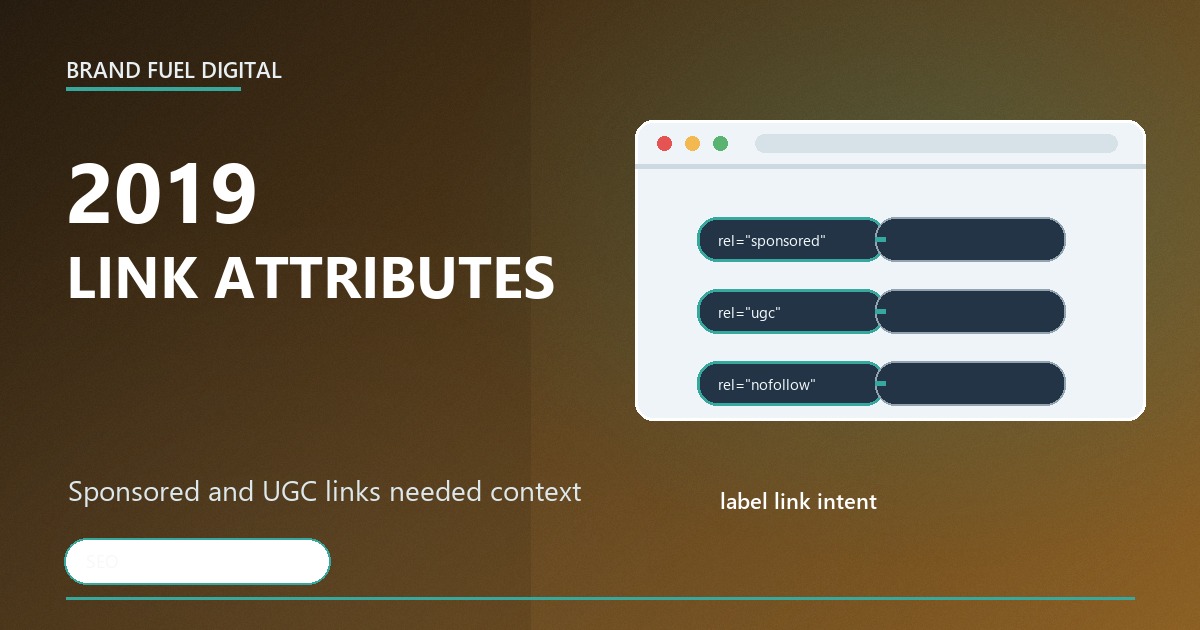
In September 2019, Google introduced new link attributes: rel=”sponsored” for paid or sponsored links and rel=”ugc” for user-generated content. Nofollow also became more of a hint for Google rather than a simple directive in all contexts.
For SMBs, the change mattered most for clean SEO practices. Businesses publishing sponsored content, testimonials, guest posts, affiliate links or community comments needed to understand that links carry context. Search engines want to know when a link is editorial, paid or user-generated.
Link trust needed cleaner labeling
Most small businesses do not need to obsess over link attributes every day. But they should avoid sloppy paid links, unclear sponsorships and old SEO tactics that treat every link as a ranking shortcut. Clean labeling protects the site and keeps trust signals honest.
Paul Burns views link attributes as part of reputation management. “A link should make sense to a person before it matters to an algorithm. If money, sponsorship or user submission is involved, label it correctly and move on.”
What SMBs should have reviewed
- Sponsored links: Use appropriate attributes for paid placements.
- Guest content: Avoid publishing low-value posts just for links.
- Comment areas: Keep user-generated links under control.
- Old SEO work: Audit questionable link practices from past vendors.
Brand Fuel Digital’s View
The 2019 link attribute update was another push toward cleaner SEO. SMBs should build links through real relationships, useful content and community authority, not murky shortcuts.
Sources: Google Search Central on nofollow, sponsored and UGC attributes and Yoast explainer on sponsored and UGC links.